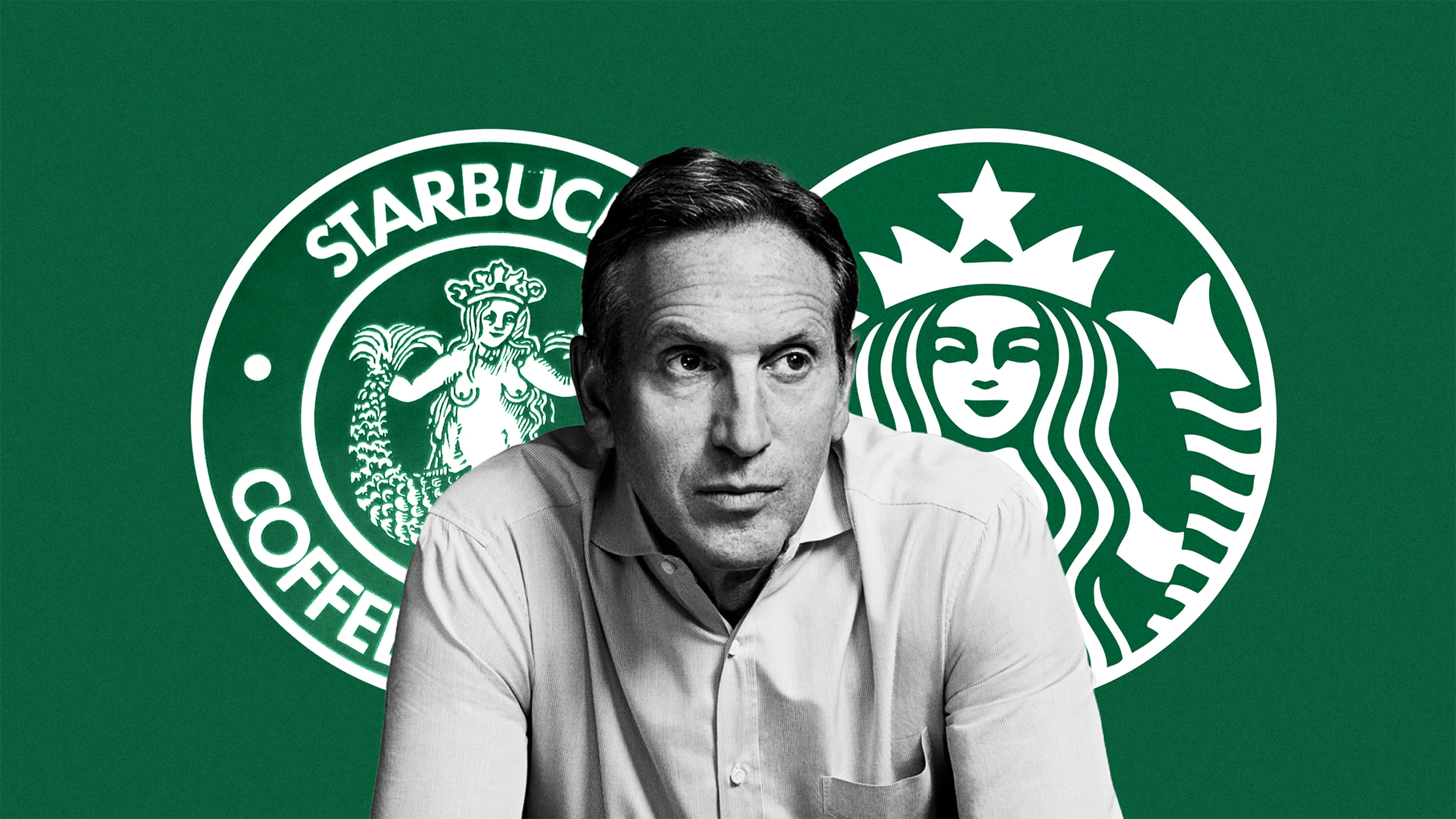
When Howard Schultz led the expansion of Starbucks, he was not just selling coffee. He was building an experience.
At the time, coffee was largely viewed as a commodity. It was convenient, inexpensive, and functional. Schultz saw something different. He envisioned Starbucks as a “third place” between home and work, where people could gather, relax, and connect.
That vision transformed a simple product into a global brand.
For sales and marketing leaders, the lesson is powerful. You are rarely just selling a product. You are selling how it makes people feel.
Experience Is a Differentiator
In crowded markets, features and pricing quickly converge. Competitors can replicate products. They can match discounts. They can imitate campaigns.
What is harder to copy is a consistent, emotional customer experience.
Schultz focused intensely on atmosphere, store design, music, service standards, and employee training. Every detail reinforced the same brand promise.
This consistency strengthened marketing impact. Advertising attracted customers, but the in store experience kept them returning.
In sales terms, experience increases lifetime value. In marketing terms, it strengthens brand equity.
Employees Shape the Brand
A defining element of Schultz’s approach was his investment in employees. Starbucks offered benefits and development opportunities even to part time workers.
Why does this matter for sales and marketing?
Because frontline employees deliver the brand.
If marketing promises warmth and community, but the service feels rushed or indifferent, trust erodes. When employees are engaged and valued, customer interactions improve. Positive interactions drive repeat business and referrals.
Internal culture directly affects external revenue.
Premium Positioning Through Storytelling
Starbucks did not compete on price. Instead, it positioned itself around quality, craftsmanship, and experience.
Customers were not just buying coffee. They were buying a moment.
For sales teams, this reinforces the importance of selling value rather than discount. For marketing teams, it highlights the role of storytelling.
When you clearly communicate what makes your brand different and why it matters, price becomes part of the narrative instead of the obstacle.
Consistency Builds Trust
One of Starbucks’ strengths has been consistency across locations. Customers know what to expect whether they are in New York, London, or Tokyo.
Consistency reduces friction in decision making.
In sales and marketing, consistent messaging across channels builds familiarity. Familiarity builds trust. Trust shortens buying cycles.
When your website, social content, advertising, and sales conversations all communicate the same core message, conversion becomes smoother.
Practical Lessons for Sales and Marketing Leaders
Howard Schultz’s leadership offers practical insights:
Focus on experience, not just product.
Align internal culture with external messaging.
Use storytelling to justify premium positioning.
Invest in consistency across every customer touchpoint.
View employees as brand ambassadors, not just staff.
Why Experience Drives Growth
Modern consumers have more choice than ever. Attention is limited. Loyalty must be earned repeatedly.
A strong brand experience creates emotional attachment. Emotional attachment increases repeat purchases. Repeat purchases stabilise revenue and reduce acquisition costs.
Sales becomes less transactional and more relational.
Marketing becomes less about noise and more about meaning.
Key Takeaway
Howard Schultz demonstrated that growth does not come from selling more aggressively. It comes from delivering an experience worth returning to.
When businesses align brand promise, employee engagement, and customer experience, sales momentum follows naturally.
In competitive markets, experience is not an extra.
It is the strategy.